How To Tell If A Sewer Line Is Collapsed
A collapsed sewer line is one of the worst plumbing issues you can face as a homeowner. Your sewer line is responsible for removing waste and wastewater safely from your home. If that waste has nowhere to go, it will back up into your plumbing, which can cause some serious damage to your home and even become a health hazard.
The problem with sewer lines is that they’re located underground, which puts them out of sight and out of mind for most homeowners. This means that sewer-related problems often go unnoticed in most homes until most of the damage has been done. While we at Benjamin Franklin Plumbing can inspect your sewer line to see if it’s sagging or collapsed, you might still notice some signs in your home that you have a problem. Here are just a few to look for.
1. Frequent Clogs Inside Your House
Most drain clogs are caused by the wrong things being flushed or washed down your kitchen sink. They are certainly a pain to clear out, but the problem can usually be solved with a plunger or drain snake. On the other hand, if you have multiple clogged drains throughout your home that you can’t clear on your own, the issue might lie deeper within your sewer line.
2. Frequent Toilet and Drain Backups
Toilets can occasionally back up if you keep flushing the wrong materials (that is, anything but human waste and toilet paper), but frequent backups are almost always caused by a blocked or collapsed sewer line. Not only can this cause water damage to your home, but it can turn into a health hazard very quickly. This is a problem that will only get worse if it goes unchecked, so call a plumber who can complete a sewer line inspection as soon as possible if it keeps happening to you.
3. Bubbling or Gurgling Drains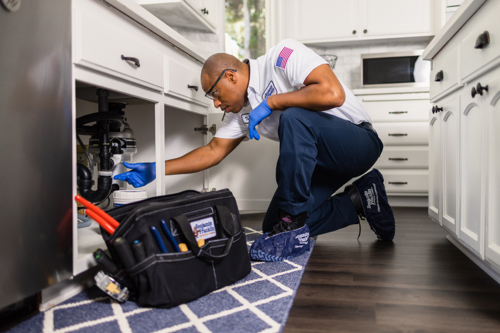
Gases trapped in a blocked or collapsed sewer line can travel back up drains and make bubbling or gurgling sounds. If you hear this from your drains, it’s time to get your sewer line checked out, especially if you notice the other signs in this article.
4. Foul Odors
Naturally, the gases trapped in a blocked sewer line will also smell very bad. You’re likely to notice this if you notice the aforementioned bubbling and gurgling from your drains. You also might notice this outside where your sewer line is buried. This is your collapsed sewer line leaking sewage into the ground. Either way, these foul smells are a sign of trouble.
5. Wet Spots in Your Yard
Since a damaged sewer line will leak water and sewage directly into the surrounding earth, you may notice patches of damp ground in your yard. If you notice these wet spots or patches of unusually green grass in your yard, there might be an issue with your sewer line.
6. Pest Infestations
A rodent or insect infestation isn’t a major sign that you have sewer line issues, but these pests can and do get into damaged sewer lines. When they do, they can make their way into your home through your plumbing. If you have a pest infestation despite keeping your home relatively vermin-proof, your sewer line might be to blame if you notice any other signs.
FAQ
What is a collapsed sewer line and why is it serious?
A collapsed sewer line prevents waste and wastewater from leaving your home safely. Because sewer lines are underground, damage often goes unnoticed until it becomes a significant problem, including water damage to your home or a health hazard from backed-up sewage.
Can’t I just use a plunger or drain snake to fix it?
If only one drain is clogged, a plunger or drain snake may do the trick. However, if multiple drains are backing up simultaneously and won’t clear with standard tools, the problem likely runs deeper in your sewer line and requires a professional inspection.
Why does my drain make gurgling sounds?
Gurgling or bubbling sounds occur when gases trapped in a blocked or collapsed sewer line travel back up through your drains. This is a strong indicator that something is wrong, especially when combined with other symptoms on this list.
What causes wet spots or extra-green grass in my yard?
A damaged sewer line leaks water and sewage directly into the surrounding soil. This can create damp patches or unusually lush, green areas of grass directly above where the line is buried. This is also how tree roots can enter your sewer line and back it up.
Could my pest problem be related to my sewer line?
Possibly. Rodents and insects can enter your home through cracks in a damaged sewer line. If you’re dealing with a persistent infestation despite keeping a clean home, a compromised sewer line may be contributing to the problem.
What should I do if I notice these signs?
Call a licensed plumber as soon as possible to perform a sewer line inspection. The longer a collapsed line goes unrepaired, the worse the damage and the health risks become.
Call Benjamin Franklin in Pompano Beach, FL Today
A collapsed sewer line can cause a lot of trouble if it isn’t fixed quickly. Fortunately, we at Benjamin Franklin will be happy to assist you. Our team of expert plumbers offer sewer inspection and repair services throughout Pompano Beach and the surrounding areas, so call us right away if you notice these signs or otherwise suspect a collapsed sewer line. Remember, if there’s any delay, it’s YOU we pay.