Benjamin Franklin Plumbing

Pompano Beach, FL

  • Home
  • Services
    • Service Areas
      Drain Clearing
      Drain Unclogging
      Drain Cleaning
      Emergency Plumbing
      Faucet Installation
      Faucet Repair
      Garbage Disposals
      Garbage Disposal Repair
      House Repiping
    • Hydro-Jetting
      Leak Detection
      Plumbing Repairs
      Sewer Line Repair
      Sewer Line Replacement
      Shower Installation
      Shower Repair
      Sump Pumps
      Tankless Water Heaters
    • Toilet Installation
      Toilet Repair
      Water Filtration
      Water Heater Installation
      Water Heater Repair
      Water Line Repair
      Water Line Replacement
      Water Softeners
      Well Pump Repair
  • Service Areas
  • Specials
  • About
  • (954) 246-0822
  • Book Now

Emergency Drain Clearing: When to Call a Plumber

Emergency Drain Clearing: When to Call a Plumber (And When to Just Go Back to Bed)

It’s 2 AM, and your toilet’s making noises that sound like it’s auditioning for a horror movie. Trust me, as the guy who gets these middle-of-the-night (emergency drain clearing calls), I know exactly what you’re thinking: “Is this actually an emergency, or can it wait till morning?”

After 15 years of late-night plumbing adventures in Pompano Beach (and way too many cups of gas station coffee), let me tell you when you should actually dial my number at midnight and when you’re better off going back to bed.

True Story: The Great Christmas Eve Clog of 2022emergency-drain-clearing
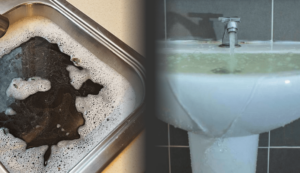
Picture this: It’s Christmas Eve, I’m three bites into my holiday dinner, and my phone rings. There’s a panic in the caller’s voice as they tell me their kitchen sink just backed up – with a turkey’s worth of potato peels jammed in the garbage disposal.

Did they need me right then? Yep. Could it have been prevented? Also yep. (Pro tip: potato peels and garbage disposals are mortal enemies. Kind of like dolphins and those beach umbrellas that always blow away on A1A.)

When Is It Actually an Emergency?

Look, I get it. When water’s going where it shouldn’t, everything feels like an emergency. But here’s my emergency drain clearing “drop everything and call right now” list:

  1. Water’s rising faster than the tide at Pompano Beach Pier
    • If your toilet’s overflowing and the plunger’s laughing at you
    • When multiple drains are backing up at once
    • If there’s standing water that keeps coming back (bonus points if it’s gross)
  2. You’ve got a surprise indoor pool (and not the good kind)
    • Water’s seeping into walls or floors
    • Your ceiling’s doing an impression of a waterfall
    • The water meter’s spinning like it’s trying to win a race
  3. That smell. You know the one.
    • If your house suddenly smells like the dumpster behind a seafood joint
    • When there’s a sewage backup (trust me, you’ll know)

The “Eh, It Can Probably Wait” List

Not every drain issue is an emergency drain clearing problem that needs a 2 AM heroic response. Here’s when you can probably hold off till morning:

  • Single slow drain (unless you’re hosting Christmas dinner tomorrow)
  • Dripping faucet (annoying? Yes. Emergency? Nah.)
  • That weird gurgling sound your sink makes sometimes

The “What Were They Thinking?” Files

Can we talk about the stuff people put down drains? In my years crawling under Pompano Beach houses, I’ve seen it all. Some highlights:

  • An entire beach worth of sand (how??)
  • Enough grease to deep fry a small car
  • Kid’s toys (“But the toilet looked thirsty!” – actual quote from a 4-year-old)
  • And my personal favorite: a phone. Because apparently some toilets need to make calls?

DIY or SOS? – Emergency Drain Clearing

Before you call me at midnight (and trust me, I’ll come – that’s what all that gas station coffee is for), try these:

  1. The plunger trick
    • Get a good seal
    • Push like you’re trying to win a plunger Olympics
    • If nothing happens after 5-6 good pushes, it’s probably time to call
  2. The boiling water method
    • ONLY for sink drains
    • NOT for toilets (unless you want a DIY sauna)
    • If it doesn’t work immediately, don’t keep trying. Your pipes aren’t making tea.
  3. The prayer method
    • Surprisingly effective
    • Results may vary
    • Often combined with frantic Googling at 2 AM

When it comes to plumping issues, you may want to say ‘no’ to DIY.

When All Else Fails (Or You’re Just Too Tired for This)

Sometimes you need an emergency drain clearing pro. Like when:

  • Your toolbox consists of a hammer and some duct tape
  • You’ve been plunging for so long your arms feel like noodles
  • The water’s rising faster than your anxiety

What to Expect When You Call For Emergency Drain Clearing

When you get me on the phone at 2 AM, here’s what’ll happen:

  1. I’ll ask some questions (trying not to sound too sleepy)
  2. We’ll figure out if it’s an emergency drain clearing “come right now” issue or “first thing in the morning” situation
  3. I’ll give you some tips to prevent things from getting worse

And when I show up:

  • I’ll be caffeinated (probably)
  • I won’t judge the state of your garage I have to walk through
  • I’ll fix the problem without making it look like a disaster movie set

How to Avoid Midnight Drain Emergencies

Want to avoid seeing me at 2 AM? Here’s some free advice:

  • Don’t treat your toilet like a trash can
  • If you live near the beach, invest in a good drain strainer (sand is not your pipes’ friend)
  • Remember: just because it fits down the drain doesn’t mean it should go there

The Bottom Line

Sometimes you really do need emergency drain clearing. When you do, I’m here – armed with tools, experience, and enough coffee to power a small city.

If you’re dealing with a serious drain blockage issue (or what might be one), give us a call at Benjamin Franklin Plumbing. We’ll help you figure out if you need us now or if it can wait till the sun’s up. And hey, if it turns out you do need us at 2 AM, don’t worry – I’ve got a coffee maker in the truck.

Just don’t ask me to unclog your phone. Some things are beyond even my powers.

Filed Under: Blog

Hydro Jetting is the Best Solution for Tough Clogs: Pompano Beach Plumber’s Guide

Okay, let me tell you about the day I almost quit plumbing until I used hydro jetting. No joke.

It was mid-July, about three years ago, and I was at this fancy house right off Atlantic Boulevard. You know the type – those gorgeous beachfront properties where even the garden hose probably costs more than my first car. The homeowner (let’s just say he was a “local lawyer”) had called about a backed-up kitchen sink that was making his wife crazy. “No problem,” I thought. “I’ll be in and out in an hour.”

Boy, was I wrong.

Four hours later, I’m drenched in sweat, my shirt’s got this weird stain that I’m pretty sure came from whatever ungodly thing was living in their pipes, and I’ve tried literally everything in my truck. Snake? Check. Those crazy enzyme cleaners that cost an arm and a leg? Yep. I even tried this new “miracle” tool my supplier had been pushing on me for months.

Nothing. Freaking. Worked.

The homeowner’s standing there, arms crossed, watching me fail miserably at my job. His wife keeps peeking around the corner, sighing louder each time. I’m seriously considering faking a family emergency to get out of there. Or maybe just changing careers entirely – I heard the ice cream shop down on Pompano Beach Boulevard was hiring.

That’s when I remembered the hydro jetter sitting back at the shop.

The Hydro Jetter Is A Water Warriorhydro-jetting

Quick backstory – I’d bought this hydro jetting system about six months earlier, but honestly? I was kind of scared of it. It’s not cheap equipment, and the thought of blasting high-pressure water through someone’s pipes made me nervous. What if I messed something up? In Pompano Beach, word travels faster than a hurricane warning.

But desperate times, desperate measures, right?

I told them I needed to get some “specialized equipment” from the shop. Got this look like, “You mean you haven’t been using specialized equipment for the last four hours?” Fair enough, folks.

When I got back with the hydro jetter, their eyes got big. The wife actually took a step back. “What the heck is that thing?” they asked. Look, I get it. It honestly looks like something out of a sci-fi movie. But by this point, I was ready to try anything.

What Happened Next Still Makes Me Smile

I’ll spare you the boring technical details of hydro jetting. If you’re really curious, it’s basically a super-powered water jet that blasts through clogs and scours your pipes clean. Think of it like pressure washing, but for the inside of your plumbing. (And if you’ve ever used a pressure washer, you know how satisfying that can be. Just me? Okay…)

I fired up that bad boy, and within 15 minutes – I kid you not – their sink was draining like it was brand new. The wife actually clapped. But here’s the crazy part: when I ran the camera down there to check things out, we could see that the clog wasn’t just gone. The pipes were literally gleaming.

“So what was blocking it?” they wanted to know.

I showed them the camera feed. “See all that grayish stuff coming out? That’s years of grease, soap scum, and God knows what else. It wasn’t just one clog – your pipes were slowly choking to death.”

Why Am I Telling You All This?

Because ever since that day, I’ve been kind of obsessed with hydro jetting. Not in a weird way (okay, maybe a little weird – my wife says I talk about it too much at dinner). But seriously, in my 15 years of dealing with Pompano Beach plumbing, I’ve never found anything that works better for serious clogs.

And trust me, we get some doozies here:

  • Beach sand that somehow gets EVERYWHERE (seriously, how does it even get into upstairs bathrooms?)
  • Grease from all those amazing seafood restaurants (yeah, I’m talking about that famous place on Atlantic – you know the one)
  • Mineral buildup from our hard water that feels like concrete
  • Tree roots that think your sewer line is an all-you-can-eat buffet

“But What’s It Gonna Cost Me?”

Look, I’m not gonna sugarcoat it. Hydro jetting isn’t cheap. If you’re calling me about a simple clog that a plunger could fix, I’m not even going to bring this thing out. That’d be like using a sledgehammer to hang a picture frame.

But if you’re dealing with:

  • A shower drain that’s slower than beach traffic on a holiday weekend
  • Multiple clogs that keep coming back
  • That weird gurgling sound from your pipes (you know the one)
  • A smell that makes you consider moving

Then yeah, we should probably talk about hydro jetting.

The Actual Process (Or: What to Expect When You’re Expecting… A Plumber)

When I show up with the Water Warrior, here’s what goes down:

  1. First, I stick a camera down there. (Don’t worry, your pipes don’t need to get camera-ready)
  2. Then we blast away. It’s actually kind of fun to watch, in a weirdly satisfying way
  3. One more camera check to make sure we got everything

Sometimes I think I should sell tickets to watch. It’s that satisfying seeing all the gunk just… disappear.

Bottom Line

I’ve been doing this long enough to know that nobody wakes up excited to call a plumber. Heck, most people probably have their favorite pizza place and their accountant on speed dial before they’ve got a plumber’s number saved.

But when you’ve got a clog that just won’t quit, sometimes you need to bring in the heavy artillery. That’s where hydro jetting – and yeah, me and my Water Warrior – come in.

Ready to see how this thing can clean your pipes? Give us a call at Benjamin Franklin Plumbing. I promise to:

  1. Show up on time (my mama raised me right)
  2. Not judge the state of your pipes (too much)
  3. Get things flowing again faster than a snowbird heads south for winter

Just don’t ask me to talk about hydro jetting at dinner. My wife’s heard enough.

Filed Under: Blog

Shower Drain Maintenance Tips: Let The Water Flow in Pompano

Did you know that the average Pompano Beach household deals with a clogged shower drain at least twice a year? That’s why shower drain maintenance is so important. As a local plumbing expert with over 15 years of experience in South Florida, I’ve seen firsthand how our unique coastal environment can affect our home plumbing. Between the sand from our beautiful beaches and the hard water common in Florida, keeping your shower drain in top shape isn’t just about convenience—it’s essential for maintaining your home’s plumbing health.

Why Regular Shower Drain Maintenance Matters in Pompano Beachshower-drain-maintenance

Living in Pompano Beach comes with its unique challenges for drain maintenance:

  • Salt air can accelerate pipe corrosion
  • Beach sand inevitably finds its way into our drains
  • Hard water deposits can build up faster in our warm climate

Our local Benjamin Franklin Plumbing experts report that preventive shower drain maintenance can reduce emergency calls by up to 70%. That’s why establishing a regular maintenance routine isn’t just smart—it’s essential for Pompano Beach homeowners.

Simple DIY Shower Drain Maintenance & Cleaning Methods

Let me share some tried-and-true techniques that have saved my clients countless headaches:

  1. The Boiling Water Flush
    • Boil a full kettle of water
    • Slowly pour it down the drain
    • Repeat monthly to prevent buildup
  2. Baking Soda and Vinegar Magic
    • Pour ½ cup baking soda down the drain
    • Follow with ½ cup white vinegar
    • Wait 15 minutes, then flush with hot water

I remember one summer Saturday when Mrs. Johnson from East Atlantic Boulevard called about a slow drain. We solved it together using just baking soda and vinegar—saved her a service call and taught her a valuable DIY trick!

Advanced Shower Drain Maintenance Techniques

Sometimes, the simple methods aren’t enough for our Pompano Beach plumbing challenges. Here are some next-level strategies:

Use a Drain Snake or Auger

You wouldn’t believe how much hair and soap scum I’ve removed from drains in our area! A basic drain snake from your local hardware store can work wonders. Just be gentle—our older Pompano Beach homes sometimes have delicate plumbing.

Install a Drain Strainer

This $5 investment can save you hundreds in plumbing bills. Trust me, I’ve seen everything from seashells to kids’ toys cause major blockages in Pompano Beach homes!

Hyrdo Jetting

Hydro jetting is a method of cleaning drains by using a high-pressure stream of water to remove clogs, debris, and buildup from the inside of pipes, restoring optimal flow and preventing future blockages.

When to Call a Professional Plumber

Listen, I’m all for DIY, but sometimes you need a pro. If you notice:

  • Standing water that won’t drain
  • Gurgling sounds from the drain
  • Unpleasant odors

It’s time to call in the experts. At Benjamin Franklin Plumbing in Pompano Beach, we’ve seen it all and fixed it all. Our team is just a phone call away at [local number], ready to tackle any drain issue, big or small.

Preventive Maintenance Schedule for Year-Round Flow

Here’s the maintenance schedule I recommend to all my Pompano Beach clients:

  • Weekly: Remove visible hair and debris
  • Monthly: Hot water flush
  • Quarterly: Deep clean with baking soda and vinegar
  • Annually: Professional inspection and cleaning

Following this schedule has helped countless local homeowners avoid emergency calls and extend the life of their plumbing systems.

Keep Your Shower Drains Running Smoothly

Don’t wait for a plumbing emergency to think about your shower drain maintenance. By following these tips and staying proactive, you can avoid most common drain issues we see here in Pompano Beach. And remember, when in doubt, the team at Benjamin Franklin Plumbing is here to help with all your drain cleaning needs.

Need professional drain cleaning services in Pompano Beach? Our expert team is ready to help. Contact us today for a free consultation and keep your drains flowing freely all year round!

Filed Under: Blog

How long does a water heater last in Pompano Beach?

Benjamin Franklin Plumbing technician standing beside a blue company van in Pompano Beach.A water heater is one of the most important appliances you can have at your home in Pompano Beach, Florida. It’s responsible for heating your water to use for tasks ranging from washing dishes to taking a shower. Water heaters typically last a decade or more, but there are signs to pay attention to that indicate yours is ready for a replacement at your Pompano Beach home.

Temperature Inconsistency

The primary job of a water heater is to bring your water to a warm or hot temperature. If it’s not doing it correctly, it’s a sign something is wrong. This doesn’t necessarily mean the problem is that you have no hot water at all. It may be a different issue, such as that the hot water turns warm on its own or your water refuses to go from cold to hot when you turn on the faucet.

Strange Noises

Any home appliance in your Pompano Beach home that starts making odd noises is signaling a problem. Strange noises coming from your water heater may include popping, screeching, banging, and humming. If you hear any of these sounds, it’s essential to call a plumber immediately to determine what steps you should take next.

Frequent Repairs

A plumber should ideally perform maintenance on your water heater at least once a year. However, when your appliance goes from needing very few repairs to requiring several within a year, that’s a sign it’s at the end of its lifespan. This is especially the case if it involves multiple serious repairs.

It’s 10+ Years Old

It’s possible your water heater could last past its estimated decade lifespan, but every year after is another one closer to the time it will need a replacement. You don’t necessarily need to replace it when it reaches the 10-year mark if it’s still working well, but it’s a good idea to plan accordingly for requiring one at any point just in case.

Leaks

There are several reasons why your water heater could be leaking, including that there’s a crack or there’s a valve issue. This isn’t a matter you want to go unchecked, especially considering there’s a chance the water heater could end up flooding your Pompano Beach home. Call a plumber right away to avoid a disaster.

The sooner you determine the source of an issue with your water heater, the lesser the chances are of the problem worsening. Contact Benjamin Franklin Plumbing today for water heater assistance at your Pompano Beach, Florida, home. Our team is available for emergency repairs and for appointments during our regular business hours.

Filed Under: Blog

What Is the Difference Between Tank and Tankless Water Heaters?

Benjamin Franklin Plumbing team members Mike, James, Jose, and Layla standing in front of a blue company van in Pompano Beach.Nearly 90% of homes throughout the nation have standard, storage-based water heaters. Also known as tank water heaters and tank-based water heaters, these units heat water and store it for future use. Capable of holding between 20 and 100 gallons at once, tank water heaters use energy around the clock.

Even with insulation, the hot water inside their tanks gradually loses heat. Tankless water heaters offer a sleek, modern, and significantly more efficient alternative. Tankless water heaters heat water on demand. This eliminates standby energy use and allows for a seemingly unlimited hot water supply. At Benjamin Franklin Plumbing, we want locals to know how these two water heater types measure up.

Tankless Water Heaters Have Longer Lifespans

Constantly heating and reheating water is tough work. Tank water heaters sustain more wear than tankless models as a result. Much of this wear comes from calcium, magnesium, and other dissolved minerals in hard water. These minerals settle on tank bottoms and heating elements. The resulting sediment gradually decreases the efficiency of tank water heaters. It can also lead to loose, leaky connections, and cracks in glass tank liners.

When properly sized and installed, a tankless water heater can last up to 20 years. On average, storage-based water heaters last just 12 years. They also require more maintenance throughout their service lives.

Hot Water Supply Issues

An 80-gallon storage-based water heater can only hold 80 gallons of hot water at once. If you have a large family, you might run out of hot water before everyone has the chance to take a hot shower. This is especially true if you run your dishwasher and washing machine just before or during bath time.

Tankless water heaters aren’t subject to the limitations of tanks. If you need 100 gallons of hot water, a tankless water heater can produce them as needed. However, these units can’t service multiple taps or plumbing-connected appliances at the same time. For instance, although everyone in your home can enjoy a piping hot shower, you can’t run your dishwasher or washing machine while they do so. If you do, some of your active hot water taps will run cold.

Delays in Hot Water Production

If you have a tank water heater with a capacity that’s just right for your household, you won’t have to wait long for hot water after turning on your tap. Given that storage-based water heaters constantly reheat the water in their tanks, they almost always have hot water readily available.

With a tankless water heater, your hot water taps will release cold water for several seconds after they’re turned on. The wait for hot could prove even longer if you live in an area where the groundwater is especially cold.

You Might Need More Than One Tankless Water Heater

Tankless water heaters cost about 40% more than their storage-based alternatives. Some households also require two tankless water heaters to keep up with their hot water demands. This is often the case with large, active households that regularly use multiple fixtures and plumbing-connected appliances at once.

Tank Water Heaters Require More Space for Storage

Often installed in basements, garages, or laundry rooms, tank water heaters take up valuable real estate in smaller homes. In comparison, tankless water heaters have slim, inconspicuous profiles and a fresh, modern look. Although plumbers often install tankless water heaters in garages, basements, and utility rooms, they’re compact enough for bathroom, pantry, and attic installations.

Poor Maintenance and Property Damage

When homeowners neglect water heater maintenance, tank water heaters can develop leaks or their tanks might rupture. If you’ve ever had a storage-based water heater empty its contents onto your floors, you already know just how destructive 20 to 100 gallons of hot water can be. Although tankless water heaters aren’t impervious to leaks, wear-related damage, or damage caused by insufficient maintenance, these appliances don’t hold large amounts of water and can’t cause major floods.

Are Tankless Water Heaters the Best Choice?

According to the U.S. Department of Energy (DOE), tankless water heaters can be up to 34% more efficient than their alternatives in homes that use less than 41 gallons of hot water each day. However, for larger households with consistently high hot-water demand, sufficiently large storage-based water heaters are often the best choice.

Both appliance types heat water effectively and both have their own range of benefits and drawbacks. At Benjamin Franklin Plumbing, we can assess factors like your household size, hot water needs, budget, and targeted storage area to find the perfect water heater for your home.

Filed Under: Blog

What Size Water Heater Do I Need for My Home?

Benjamin Franklin Plumbing team members Mike, James, Jose, and Layla standing in front of a blue company van in Pompano Beach.Does the hot water run out in your Pompano Beach, Florida, home before your family finishes bathing in the morning? Do you have to run the dishwasher and washing machine separately to ensure there is enough hot water? If so, your water heater is too small. If you are buying a new one, work with a professional to calculate the size needed for an adequate hot water supply for your household. The professional plumbers at Benjamin Franklin Plumbing of Margate, Florida, will discuss your lifestyle, family schedules, appliances and budget to help you select a water heater that will meet your needs.

Factors That Influence Water Heater Sizing

Several variables influence the size of the water heater that will serve your needs. Our plumbers determine the appropriate size by calculating the variables that affect optimum hot water delivery. We consider the number and ages of family members, the number of bathrooms and when the demand is greatest. We factor in the appliances you use regularly that require hot water, such as washing machines and dishwashers. We also discuss the types of water heaters available and help you select equipment that will work well in your home.

Tankless Water Heaters

Tankless or on-demand water heaters do not heat and store water. Instead, they heat water when you turn on the tap or start the dishwasher or washing machine. If space is a problem, tankless water heaters are compact. They can be mounted on a wall or easily fit into a corner.

Although tankless units cost more, they can reduce energy bills because they do not heat large quantities of water at a time or require standby energy to keep the water hot. They have a long service life, typically more than 20 years. In addition, readily available replacement parts make them easy to repair, a factor that can extend the service life.

Sizing Demand-Type Water Heaters

Sizing demand-type water heaters is based on temperature rise and flow rate. Tankless units have lower flow rates than storage water heaters. Instead of one large storage water heater, we may recommend installing two or more on-demand units serving specific needs, such as a washing machine, hot tub or dishwasher.

Demand water heaters can be powered by electricity, natural gas or propane. Compare fuel costs in your area to determine which will be most economical for you.

Storage Water Heaters

Storage water heaters heat a large quantity of water and use standby energy to keep it hot. They are sized by volume of water and the first hour rating. The FHR indicates the quantity of water the unit can produce per hour. The supply per hour depends on the capacity of the unit, the type of fuel used to heat the water and the size of the burner or heating element. They can be powered by electricity, natural gas, propane or fuel oil.

Storage water heaters have a life expectancy of 10 to 15 years. Large-capacity storage water heaters need a large space. They are often installed in a garage, utility room, closet or bathroom.

Calculating the First Hour Rating (FHR)

We calculate the FHR according to usage by activity or appliance:

  • Showering: 20 gallons per person
  • Automatic dishwasher: 7 gallons
  • Top-loading washing machine: 25 gallons
  • Shaving: 0.05 gallon per minute
  • Food preparation: 3 gallons per minute

The FHR should meet or exceed the number of gallons required to supply the demand of the busiest time of day.

The FHR for heat pump storage water heaters is calculated the same way. However, heat pump water heaters use less energy and have lower operating costs. Geothermal heat pumps are even more energy efficient.

Advantages of Proper Sizing

Properly sized water heaters will not only better serve the needs of your household but will also operate more efficiently. Water usage for a typical household averages 64 gallons per day. Heating water is the second-largest utility expense, accounting for 14% to 18% of utility costs. Choosing a type of water heater that is sized to meet your needs can save several hundred dollars a year on utility costs. Keeping your water heater well-maintained can maximize energy efficiency, extend the service life and help achieve consistent temperatures.

Filed Under: Blog

What Could Cause a Water Heater to Explode?

What Can Cause a Water Heater to Explode?

A water heater does have the ability to explode under the right circumstances. Although it can happen with seemingly little or no warning, there are often warning signs that something is wrong before anything actually happens. Therefore, if you understand what those clues are, you can take steps such as calling the team at Benjamin Franklin Plumbing to mitigate a potential disaster.

What Causes a Water Heater to Explode?

A combination of heat, pressure and spark are what causes a water heater to explode. For example, you might get the right conditions for an explosion if the item is too close to a gas leak. You might also get heat and pressure thanks to a buildup of sediment in the tank that causes it to rupture or makes it impossible to get rid of excess heat and pressure.

If the temperature and pressure (T&P) release valve isn’t working, it may also allow heat and pressure to build over time. Ironically, you may also have a problem if the valve is activating itself too often. This means that it is not able to regulate itself without having to ask for help. When in good condition, there should be no issue with the cycle of water entering or exiting the tank or any issues with water heating and cooling in an even fashion.

What Might Happen Before a Potential Explosion?

There are a number of possible clues that your water heater might be at risk of exploding. For instance, you might see puddles of water caused by the unexpected release of the T&P valve. You might also notice that the valve is stuck and unable to allow hot water or pressure to escape before it’s too late.

You may hear whistling or similar noises coming from the water heater as pressure continues to build inside of it. There might also be issues with water being too hot or not staying hot because of problems inside of the tank.

You might also see water that is discolored or has an odd smell to it. The smell might indicate that there is gas nearby or that there are other issues that need to have resolved right away. If there is a gas leak anywhere in your house, you’ll want to have it addressed even if you aren’t concerned that the water heater might blow up. This is because exposure to gas can cause serious health issues or damage to other parts of your home.

How to Minimize the Risk of an Explosion

The good news is that there are steps that you can take today to minimize the risk of a future issue. For example, you can have your water heater flushed annually to get rid of sediment. You can also check the T&P valve every month by pressing the lever attached to it. If it’s working properly, it will dispense a minimal amount of water while the lever will go back to its original position. You can also have the water heater inspected to ensure that it was properly installed and mounted.

Give The Folks at Benjamin Franklin Plumbing a Call Today

If you are in need of water heater maintenance, the folks at Benjamin Franklin Plumbing can help. We can assess your water heater, make any necessary repairs and give you insight into how you can minimize the risk of future problems such as an explosion.

Filed Under: Blog

What are the most energy efficient water heaters?

Benjamin Franklin Plumbing technician standing beside a blue company van in Pompano Beach.Water heaters that are energy efficient can heat water for your home while using less energy. Upgrading your home with a more energy-efficient unit can have a major influence on your monthly energy expenses and your carbon footprint; this is particularly advantageous in today’s age of growing environmental consciousness and ever-increasing energy prices.

Conventional Water Heaters

The vast majority of houses have conventional water heaters, sometimes called storage tank water heaters. These heaters keep a big tank of water at a constant temperature, so there’s always hot water on hand. Despite their dependability and ease of installation, these systems fall short when it comes to energy efficiency because of standby heat loss; this is the energy that is lost while the water cools down in the tank. Even with better insulation and more efficient burners, most conventional water heaters still use more power than others.

Tankless Water Heaters

Tankless models do away with standby heat loss since they do not keep a reservoir of heated water. Instead, when you need hot water, the equipment takes cold water and heats it using an electric element or a gas burner. In houses that don’t require a great deal of hot water, this technique can significantly reduce energy consumption. An additional perk of tankless water heaters is their extended lifespan compared to more conventional models. On the other hand, tankless heaters can be more complicated to install and typically have a higher upfront cost.

Heat Pump Water Heaters

Hybrid water heaters, which include heat pumps, are some of the most energy-efficient options out there. They are not heat generators per se; rather, they transfer heat from the air to the water. These devices use a fraction of the energy of standard electric water heaters because they harness the heat from the surrounding environment. Heat pump water heaters work best in warm weather or in locations with a lot of ambient heat, such as indoor garages or basements. The systems’ efficiency decreases with decreasing temperature, making them unsuitable for extremely cold climates.

Solar Water Heaters

Another one of the most eco-friendly and economical choices is a solar water heater, which uses energy from the sun to heat water. The two main components of a solar water heater are the collector and the storage tank. The collector takes in sunlight and converts it into heat that the tank’s water can use. Solar water heaters rely heavily on weather conditions and the amount of sunshine available to drastically reduce or eliminate the need for energy to heat water. A backup heating system is usually necessary to guarantee a constant supply of hot water in areas with low sunlight.

Condensing Water Heaters

For households that use natural gas, condensing water heaters are an efficient option. While these systems are functionally identical to standard gas water heaters, they divert the heat that would otherwise escape through the chimney into the system. In doing so, the water heater is able to heat more water with less effort and energy. Because of its superior efficiency in handling bigger loads compared to conventional gas heaters, condensing water heaters are the best choice for homes that use a lot of hot water. These units may have a greater initial cost, but they usually pay for themselves in the long run through reduced energy bills and improved performance.

Tankless Coil and Indirect Water Heaters

For households that use boilers for space heating, there are energy-efficient solutions such as tankless coil water heaters and indirect water heaters. A separate water storage tank is unnecessary with these systems. They eliminate the need for continuous energy use associated with conventional water heaters by extracting heat from the home’s existing boiler to supply hot water on demand. Nevertheless, their effectiveness can fluctuate based on the frequency of boiler runs, which makes them well-suited to colder regions with more heating system usage.

Understanding Energy Efficiency Ratings and Standards

If you want to buy a water heater that saves energy, you need to know what the different ratings mean. The Energy Factor (EF) is the most popular metric for evaluating water heaters. It assesses the unit’s overall energy efficiency. A water heater with a higher EF is more efficient. A more recent metric, the Uniform Energy Factor (UEF), considers various water heater models and sizes to give a more precise efficiency measurement. The ENERGY STAR® label is an indicator that a water heater has met the rigorous energy performance standards established by the United States Environmental Protection Agency.

How Efficient Water Heaters Affect the Environment

Water heaters that use less energy not only help you save money but also reduce your home’s environmental impact. These systems reduce greenhouse gas emissions by reducing energy consumption, which in turn reduces the demand for power and natural gas. Solar water heaters are an excellent example of a renewable energy source that does not contribute to pollution. If your home still uses inefficient heating techniques, replacing it with an energy-efficient water heater is a great way to lessen your influence on the environment.

How Energy-Efficient Water Heaters Can Improve Your Comfort Level

Installing an energy-efficient water heater can make your home more comfortable. For example, you won’t have to worry about running out of hot water at high usage periods with tankless and hybrid water heaters because they provide a constant supply. Plus, compared to earlier models, efficient systems are often quieter and more dependable, adding to the convenience and comfort of your home. You can take showers, wash dishes and do laundry without worrying about running out of hot water.

Choosing the Right Size

Choosing the correct size water heater is essential for achieving peak efficiency and performance. Inadequately sized water heaters may not be able to heat enough water for your home, while excessively large ones waste energy. Consider the number of people living in your home, the times when you’ll require the most hot water and whether you’ll be performing multiple simultaneous tasks when selecting the appropriate size water heater. To get the most out of your energy savings and comfort, it’s a good idea to get some expert advice on what size unit would be best for your home.

If you want professional guidance and installation from a dependable local supplier when you update to an energy-efficient water heater, call Benjamin Franklin Plumbing.

Filed Under: Blog

What Is the Best Temperature Setting for My Water Heater?

James, a Benjamin Franklin Plumbing technician, smiling confidently in front of a Benjamin Franklin Plumbing van in Pompano Beach.The United States Department of Energy recommends that you set your water heater to 120°F to save energy, although setting it as high as 140°F is reasonable. Setting it higher than that doesn’t achieve anything useful for general residential consumption. In fact, about the only thing that it does is to raise your energy bill because the heating element goes on more often than if it were set lower.
Why 120°F?

This temperature offers the “best of all worlds.” First, it protects your water heater from harmful bacteria, most of which cannot grow at temperatures of 120°F or higher. Second, it’s still comfortable when it comes to hot showers. Third, it not only saves energy but also keeps your energy bill lower. As they say, “Everyone wins.”

It’s also safer if you have young children who might accidentally turn on a faucet. Children have thinner skin, and 140-degree water can cause a second-degree burn in three seconds. At 120°F, serious burns won’t happen for 10 minutes or more.

Why 140°F?

If you have a need to do a lot of cleaning and/or sanitizing, such as running certain kinds of home businesses, then you’ll need to have 140°F water because it’s much better for these tasks. Remember, though, that setting your water heater to a hotter temperature doesn’t mean that you’ll get hot water out of the faucet more quickly than with cooler water.

Hot Water Circulator

This device is better at getting hot water out of the faucet than simply setting a higher temperature. It connects a loop of pipes to both the hot-water heater and each sink you want to have nearly instant hot water. This will save money, too, because you can use a lower setting on your hot-water heater.

How to Set Your Water Temperature

It’s unfortunate that most water heaters don’t have temperature gauges, but you can test it easily enough. All you need to do is not to use any hot water for at least 30 minutes. That’ll mean that it’s full and heated. Get a drinking glass, and turn on the hot water tap. Let it run until it’s hot. Then, fill the glass. Take a kitchen thermometer, and place it in the glass.

The Right Water Heater Company

Trust our almost four decades’ experience when it comes to your water heater. Not only can we provide you with a new one, but we’re also expert at repairing them. Contact us right away, and ask us about how we can help you with your water heater.

Filed Under: Blog

Pex VS Copper Piping

Benjamin Franklin Plumbing van parked outside a residential home in Pompano Beach, showcasing professional plumbing services.There are two main materials that are used to make plumbing pipes: Pex and copper. For a long time, though, copper was your only choice. In fact, until the 1990s, most people had to rely on copper piping for all their plumbing needs. Having alternative material available is exciting, but it also helps to call attention to the pros and cons of each type. Let’s take a closer look at your options so you can decide what type to use for any new pipes in your Pompano Beach, FL, home.

Pros and Cons of Copper Piping

Copper piping has a long and proven history of distributing water. It can be traced back all the way to 2150 BCE, and its usage in modern homes dates back to the 1940s.

Pros of Using Copper Pipes:

Durability

Copper piping has been proven to not only work but also to have a typical lifespan of at least 50 years. This record of durability and reliability made copper a proven alternative to lead pipes.

Highly Damage Resistant

There are many things that will try to break your pipes down, including solvents, chemicals, and UV rays. Copper has the ability to resist damage from these sources.

High-Temperature Applications

Copper pipes are able to be used outside without needing any special protection. Additionally, it can be used for high-temperature applications without breaking down.

Cons of Using Copper Pipes:

Harder to Install

Since the advent of pex piping, it’s become clear that installing copper pipes takes more time and is more difficult. It requires using special fittings and tools, whereas pex piping does not.

Scale and Corrosion Buildup

Although copper pipes will last a long time, they’re also susceptible to the buildup of scale and corrosion. This means that you’ll need to have a plumber provide regular maintenance to deal with leaks and other miscellaneous issues.

More Expensive

Copper piping is generally more expensive than pex piping, and its production process creates higher embodied energy.

Pros and Cons of Pex Piping

Pex piping was invented in 1968, and it came to America in the 1980s. However, it wasn’t until the 1990s that it became a viable alternative to copper plumbing pipes in American homes.

Pros of Using Pex Piping:

Easier to Install

Pex piping is much easier to install than copper pipes due to its flexibility. It also doesn’t require the same number of specialized fittings and tools as copper.

Resistant to Buildup

Copper pipes tend to deal with a lot of scale buildup and corrosion, but you won’t have to worry about either of these issues with pex piping. Furthermore, pex pipes are more durable for usage in freezing temperatures.

More Sustainable

If the environment is a concern, you’ll be happy to know that pex pipes will reduce your likelihood of leaks. Additionally, the manufacturing process requires less energy.

Cons of Using Pex Piping:

Long-Term Durability is Questioned

There are concerns about whether pex piping can hold up as well as copper pipes. This is because it hasn’t been in place for as long as copper pipes, so no one is truly aware of how long it will last.

Higher Damage

Pex pipes are more susceptible to becoming damaged by solvents, chemicals, and UV rays.

Not for Outdoor Usage

Unlike copper, pex piping is not suitable for outdoor usage unless it is properly protected from sunlight. It may also have limitations when it comes to high-temperature applications.

Which Pipes Should I Choose?

There is no simple answer to this question. As you learned above, both materials have a pretty even list of pros and cons, so it’s vital to discuss your options with a professional plumber. If you have specific financial concerns, however, it might be easier to use pex piping.

Generally speaking, pex piping costs between $0.28 and $12.23 per foot. Meanwhile, copper piping can run you between $1.35 and $117.76 per foot. If you’re on a tight budget, it’s easy to understand what option will work best. Even if you take pex’s shorter expected lifespan of 25-40 years into consideration, it would still be cheaper to purchase pex piping twice than to purchase copper piping once.

Something else to consider is the very serious issue of corrosion. When your pipes come into contact with oxygen or water in their environment, they might begin to break down. Furthermore, the presence of hard water in your Pompano Beach home will compromise copper piping over time. Unfortunately, Florida has hard to very hard water, so corrosion will most likely be an issue.

Is it Time to Replace My Pipes?

There are several different signs that it’s time to replace your house’s plumbing pipes. Among them are:

  • Frequent leaks
  • Rusty water
  • Aging pipes
  • Low water pressure
  • Foul smells
  • Bad taste
  • Water stains
  • Odd sounds
  • Temperature inconsistencies

If you’ve run into any of the above issues, it’s vital to reach out to the experts at Benjamin Franklin Plumbing. Our team will do a thorough inspection to determine whether you need your pipes repaired or replaced. They’ll also consult with you regarding your piping options.

Install New Pipes in Pompano Beach

No matter what type of pipes you select, it’s wise to take care of any piping issues right away. After all, the last thing you want is a major leak, especially if you’re not at home when it happens. Keep your Pompano Beach home safe by calling Benjamin Franklin Plumbing.

Are you experiencing a water pipe emergency? Contact our professional Pompano Beach team right now. We offer 24/7 emergency maintenance services to help get your house back on track quickly!

Filed Under: Blog

  • « Previous Page
  • 1
  • …
  • 3
  • 4
  • 5
  • 6
  • Next Page »

How can we help you?

Your Name(Required)
Consent(Required)
By submitting your information, you agree to allow Benjamin Franklin Plumbing to contact you via phone, email, or text regarding your project inquiries. Rest assured, your personal information will remain confidential and will not be shared with third parties for marketing or spam. You can opt out whenever you wish. Standard message/data rates may apply. Consent is not a condition of purchase.
Terms and Conditions | Privacy Policy

Our Location

Benjamin Franklin Plumbing

1593 Banks Rd
Margate, FL 33063

Phone: (954) 246-0822

Hours of Operation:

Monday: 24 Hours
Tuesday: 24 Hours
Wednesday: 24 Hours
Thursday: 24 Hours
Friday: 24 Hours
Saturday: 24 Hours
Sunday: 24 Hours

Connect with Us

Facebook Youtube

Our Services

Drain Clearing
Drain Unclogging
Drain Cleaning
Emergency Plumbing
Faucet Installation
Faucet Repair
Garbage Disposals
Garbage Disposal Repair
House Repiping
Hydro-Jetting
Leak Detection
Plumbing Repairs
Sewer Line Repair
Sewer Line Replacement
Shower Installation
Shower Repair
Sump Pumps
Tankless Water Heaters
Toilet Installation
Toilet Repair
Water Filtration
Water Heater Installation
Water Heater Repair
Water Line Repair
Water Line Replacement
Water Softeners
Well Pump Repair

About

Our Company
Contact Us

Copyright © 2026 · Service Minds | Privacy Policy • Terms and Conditions

Book Online
(954) 246-0822