Benjamin Franklin Plumbing

Pompano Beach, FL

  • Home
  • Services
    • Service Areas
      Drain Clearing
      Drain Unclogging
      Drain Cleaning
      Emergency Plumbing
      Faucet Installation
      Faucet Repair
      Garbage Disposals
      Garbage Disposal Repair
      House Repiping
    • Hydro-Jetting
      Leak Detection
      Plumbing Repairs
      Sewer Line Repair
      Sewer Line Replacement
      Shower Installation
      Shower Repair
      Sump Pumps
      Tankless Water Heaters
    • Toilet Installation
      Toilet Repair
      Water Filtration
      Water Heater Installation
      Water Heater Repair
      Water Line Repair
      Water Line Replacement
      Water Softeners
      Well Pump Repair
  • Service Areas
  • Specials
  • About
  • (954) 246-0822
  • Book Now

Latest Leak Detection Technology Will Save You Tons Of Cash

Picture this: there’s a leak somewhere in your home, but you can’t figure out where. Sounds familiar? Well, those days of tearing up floors and breaking through walls to find leaks are history. Let’s talk about how leak detection technology is changing the game for Pompano Beach homeowners.

How Leak Detection Technology Has Evolvedleak-detection-technology

Remember when finding a leak meant following wet spots and crossing your fingers? Those days are gone. Today’s leak detection technology feels like something out of a sci-fi movie. We’re talking about gear that can spot a pinhole leak through concrete without breaking ground.

Professional leak detection services now use tools that would make James Bond jealous. And trust me, this tech pays for itself by preventing massive repair bills.

The Game-Changing Benefits of Modern Leak Detection Technology

Here’s what’s wild – these new tools can find leaks so small you wouldn’t notice them for months. But those tiny leaks? They’re like throwing money down the drain, literally.

Modern detection methods can:

  • Spot leaks through walls without demolition
  • Find slab leaks before they wreck your foundation
  • Identify pipe problems before they burst

Advanced Acoustic Sensors: The Latest in Leak Detection Technology

Think of acoustic sensors like super-powered stethoscopes. They can hear water movement through pipes that human ears can’t detect. These bad boys can pinpoint a leak’s exact location by listening to the unique sound frequencies water makes when escaping from pipes.

Thermal Imaging: A Revolution in Leak Detection Technology

This tech is straight-up cool. Thermal cameras show temperature differences that reveal hidden leaks. Hot spots or cold spots where they shouldn’t be? Boom – you’ve found your culprit. It’s like giving plumbers X-ray vision.

Smart Sensors and IoT in Modern Leak Detection Technology

The future is here, folks. Smart leak detection systems can now monitor your pipes 24/7 and alert you through your phone if something’s wrong. Some can even automatically shut off your water if they detect a problem.

Why Professional Leak Detection Technology Beats DIY Methods

Listen, I get it – DIY solutions are tempting. But trying to find leaks with store-bought tools is like bringing a knife to a gunfight. Professional plumbers have access to industrial-grade equipment that’s way more accurate.

Cost Savings Through Advanced Leak Detection Technology

Let’s talk numbers. A professional leak detection service might cost a few hundred bucks, but compare that to:

  • Thousands in water damage repairs
  • Sky-high water bills from hidden leaks
  • Foundation repairs that could hit five figures

Leak Detection Technology for Different Types of Leaks

Not all leaks are created equal.

Different situations need different tools:

  • Slab leaks need ground-penetrating radar
  • Underground leaks require acoustic equipment
  • Wall leaks benefit from thermal imaging

Environmental Impact of Modern Leak Detection Technology

Here’s something cool – by finding leaks faster, this tech helps save thousands of gallons of water. In Florida, where water conservation is crucial, that’s a big deal.

Choosing a Service with Updated Leak Detection Technology

When picking a plumber, ask about their detection equipment. The best pros invest in top-notch gear and know how to use it right.

Leak Detection Technology – FAQ

How accurate is modern leak detection equipment?

Today’s tech can pinpoint leaks within inches, even through concrete or behind walls. It’s about 95% accurate when used by trained pros.

What’s the most advanced leak detection technology available?

Currently, it’s a combination of acoustic sensors, thermal imaging, and AI-powered analytics that work together to find and predict leaks.

How much can leak detection technology save me?

The average hidden leak wastes 10,000 gallons of water annually. Early detection can save hundreds in water bills and thousands in repairs.

Do I need special maintenance for leak detection systems?

Smart systems need occasional software updates, but most professional equipment is maintained by the service provider.

Can this technology detect all types of leaks?

Most modern systems can find any leak, but different tools work better for different situations. That’s why pros carry multiple types.

How long does a professional leak detection take?

With modern equipment, most inspections take 1-2 hours. Way faster than the old days of exploratory demolition.

Is leak detection technology worth the investment?

Absolutely. The cost of detection is tiny compared to repairing water damage or dealing with mold remediation.

How often should I have my home checked for leaks?

Annual inspections are smart, especially in older Pompano Beach homes where pipes might be nearing their end of life.

Can leak detection technology prevent future leaks?

Some smart systems can predict potential failures before they happen by monitoring pressure changes and flow patterns.

What’s the future of leak detection technology?

AI and machine learning are making systems even smarter, with better prediction capabilities and automated responses to leaks.

Filed Under: Blog

24/7 Emergency Drain Cleaning Is a Lifesaver for Pompano Beach Homes

It’s 2 AM, and you’ve got water backing up into your shower. Or maybe you’re hosting a holiday dinner, and your kitchen sink decides to quit on you. These aren’t just inconveniences – they’re emergencies that need immediate attention. That’s why emergency drain cleaning services in Pompano Beach are worth their weight in gold.

When You Need Emergency Drain CleaningEmergency Drain Cleaning

Let’s face it – drain problems don’t care about your schedule. They pop up during Sunday dinners, holiday celebrations, or right before that big beach party you’re hosting. Water damage can wreck your day (and your home) in minutes, not hours.

Common scenarios that scream for immediate help:

  • Sewage backing up into multiple drains
  • Water flooding your bathroom or kitchen
  • Complete drain stoppage during crucial times
  • Multiple fixtures clogging simultaneously

The Real Cost of Delaying Emergency Drain Cleaning

Here’s the deal – when water’s backing up, every minute counts. What starts as a minor drain clog can turn into thousands in water damage faster than you can say “plumber.” Professional drain cleaning might seem pricey at midnight, but it’s way cheaper than replacing water-damaged floors or walls.

Why Professional Emergency Drain Cleaning Matters

You might be tempted to tackle that clog yourself, but let me tell you – some problems need the pros. Professional plumbers bring specialized tools, years of experience, and most importantly, they’re available 24/7.

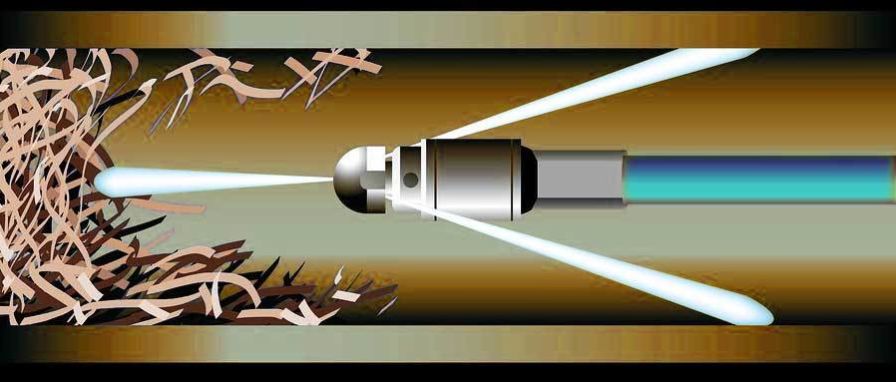
Many Pompano Beach plumbers use advanced techniques like hydro jetting for those really stubborn clogs. It’s like bringing a power washer to a water gun fight – totally different level of cleaning power.

Signs You Need Emergency Drain Cleaning Now

Don’t wait until you’re standing in ankle-deep water.

Watch for these red flags:

  • Multiple drains backing up at once
  • Bubbling toilets when you run the sink
  • Sewage smells wafting through your home
  • Water backing up in weird places

The Emergency Drain Cleaning Process

When you call for emergency service, here’s what happens:

  1. Quick response team arrives with specialized equipment
  2. Professional diagnosis of the problem
  3. Clear explanation of what’s needed
  4. Swift action to resolve the issue
  5. Prevention tips to avoid future emergencies

Tools and Techniques in Emergency Drain Cleaning

Professional plumbers don’t just show up with a plunger. They bring camera systems to spot the exact problem, powerful augers to break through tough clogs, and hydro-jetting equipment for the most stubborn blockages.

Choosing the Right Emergency Drain Cleaning Service

When you’re in crisis mode, you need a reliable plumber who’ll show up fast and fix things right.

Look for services that:

  • Offer genuine 24/7 availability
  • Have great local reviews
  • Provide upfront pricing
  • Arrive fully equipped

The Impact of Florida Weather on Emergency Drain Situations

Living in Pompano Beach means dealing with unique challenges. Heavy rains can overwhelm your drains, and our sandy soil can cause unexpected pipe issues. That’s why having a reliable emergency drain service on speed dial is crucial.

After the Emergency: Preventing Future Drain Crises

Once the immediate crisis is handled, good emergency drain cleaning services will help you prevent future problems. They might recommend regular maintenance schedules or point out potential issues before they become emergencies.

Emergency Drain Cleaning Services vs. Regular Maintenance

While regular maintenance is crucial, emergency services are your safety net when things go wrong. Think of it like having health insurance – you hope you won’t need it, but you’re glad it’s there when you do.

Emergency Drain Cleaning – FAQ

What qualifies as a drain emergency?

Any situation where water is backing up into your home, multiple drains are clogged, or there’s a risk of water damage needs immediate attention. If you can’t wait until morning, it’s an emergency.

How quickly can I expect emergency service in Pompano Beach?

Most emergency drain cleaning services aim to arrive within 1-2 hours of your call, even in the middle of the night.

What’s the average cost of emergency drain cleaning?

Emergency services typically cost between $200-500, depending on the problem’s severity and timing. Late-night calls might incur additional fees.

Can I try to fix it myself first?

While you can try basic plunging, avoid chemical cleaners. If basic attempts don’t work within 15-20 minutes, call a pro to prevent potential damage.

Do emergency plumbers really come 24/7?

Yes, legitimate emergency drain cleaning services are available around the clock, including holidays and weekends.

How long does emergency drain cleaning usually take?

Most emergency cleanings take 1-2 hours, but complex problems might require more time.

What should I do while waiting for emergency service?

Turn off water to affected areas, remove valuable items from potential flood zones, and document any damage for insurance purposes.

Are emergency drain services worth the extra cost?

Absolutely – emergency services can prevent thousands in water damage and protect your home’s structural integrity.

What equipment do emergency plumbers bring?

They come prepared with drain snakes, cameras, hydro-jetters, and other specialized tools to handle any situation.

How can I tell if my drain problem is really an emergency?

If you can’t use essential plumbing fixtures, see water backing up, or smell sewage, don’t wait – call for emergency service immediately.

Filed Under: Blog

How to Prevent Clogged Drains In Your Pompano Beach Home

Look, we’ve all been there – standing in ankle-deep water during a shower or watching the sink fill up while doing dishes. If you’re a homeowner in Pompano Beach, you know how frustrating drain problems can be. Let’s dive into some proven ways to prevent clogged drains and keep your plumbing flowing smoothly.

Simple Daily Habits to Prevent Clogged Drainsprevent-clogged-drains-pompano-florida

You know what’s wild? Most drain clogs could’ve been avoided with some basic habits. Here’s the deal – your drains aren’t garbage disposals, even though we sometimes treat them that way.

First up, get yourself some drain strainers. These little heroes catch hair, food particles, and other gunk before they cause trouble. Pop them in every drain in your house, and you’ll thank me later.

Here’s a little trick I’ve learned over the years: after cooking, let grease cool completely and toss it in the trash. That stuff might be liquid when it’s hot, but it turns into pipe-clogging concrete once it cools down in your drains.

Professional Maintenance Tips to Prevent Clogged Drains

Want to know the secret to keeping your drains running like new? Regular maintenance is your best friend. Think of it like going to the dentist – a little prevention beats a major repair any day.

Professional drain cleaning services can spot issues before they become emergencies. They’ve got specialized tools and cameras to check out what’s happening in those pipes of yours.

Sometimes, basic cleaning isn’t enough. That’s when hydro jetting comes in handy – it’s like power washing for your pipes, blasting away years of buildup.

Warning Signs That You Need to Prevent Clogged Drains

Let’s talk about red flags. You don’t want to wait until water’s backing up into your tub to take action.

Keep an eye (and nose) out for these signs:

  • Weird gurgling sounds from your pipes
  • Slow draining in multiple fixtures
  • Funky smells wafting up from drains
  • Water backing up in odd places

Kitchen-Specific Tips to Prevent Clogged Drains

Your kitchen sink puts up with a lot. Here’s how to keep it happy:

Run cold water before, during, and after using your garbage disposal. It’s like giving your pipes a drink of water to wash down their food. And speaking of disposals, only use them for soft food scraps. Those potato peels and coffee grounds? They’re better off in your compost bin.

Bathroom Drain Maintenance: A Key to Prevent Clogged Drains

Bathrooms are ground zero for clogs, especially with all that hair, soap scum, and toothpaste going down the drain. Start using a hair catcher in your shower – it’s a game-changer. And once a week, run some hot water down all your drains for a few minutes. It helps keep things flowing.

The Role of Professional Inspections

Hey, even the most diligent homeowner can’t see what’s happening inside their pipes. That’s why getting regular inspections from a trusted plumber is so important. They can catch problems while they’re still small and manageable.

DIY Solutions vs. Professional Help for Clogged Drains

Let’s be real – sometimes a plunger and some elbow grease just won’t cut it. While there are plenty of DIY solutions out there, be careful with those chemical drain cleaners. They might seem like a quick fix, but they can actually damage your pipes over time. You want to have to use 24/7 emergency drain cleaning at 3am on a Saturday, but those services are offered if you need them.

Seasonal Maintenance to Prevent Clogged Drains

Living in Pompano Beach means our plumbing deals with unique challenges. During rainy season, your drains work overtime. And let’s not forget about all that sand we track in from the beach – it’s like having a mini beach in your pipes!

Long-term Benefits of Preventing Clogged Drains

Think about it – a little prevention now saves you big bucks down the road. Regular maintenance might seem like a hassle, but it’s way better than dealing with emergency repairs or, worse, water damage to your home.

How to Prevent Clogged Drains – FAQ

What’s the #1 cause of clogged drains in Pompano Beach homes?

Hair and soap scum in bathrooms, and grease buildup in kitchen drains are the top culprits. The humid Florida climate can make these problems worse by promoting bacteria growth.

How often should I have my drains professionally cleaned?

Schedule a professional cleaning every 12-18 months. If you’ve got an older home or lots of trees near your sewer line, you might want to bump that up to every 6-12 months.

Can I use chemical drain cleaners to prevent clogs?

Better not. They might seem like an easy fix, but they can damage your pipes over time. Stick to enzyme-based cleaners or call a pro.

What should never go down my kitchen drain?

Coffee grounds, eggshells, grease, potato peels, rice, and pasta are big no-nos. They’re like kryptonite for your pipes.

How do I know if my drain prevention methods are working?

Your drains should empty quickly and quietly. If water takes more than a few seconds to drain or you hear gurgling, it’s time for maintenance.

Are there specific challenges for preventing clogs in Florida homes?

You bet! Sand from the beach, increased humidity, and heavy rains can all impact your drains. Plus, our older homes often have pipes that are more prone to problems.

What’s the best way to prevent shower drain clogs?

Install a good hair catcher and clean it regularly. Also, run hot water for a minute after each shower to help dissolve soap residue.

How can I tell if I need professional drain cleaning?

Multiple slow drains, recurring clogs, or weird smells are your cue to call in the pros. Don’t wait until you’re dealing with a backup!

What’s the difference between regular drain cleaning and hydro jetting?

Regular cleaning tackles surface clogs, while hydro jetting uses high-pressure water to scour your pipes clean. Think of it as the difference between brushing and deep cleaning your teeth.

How much does professional drain maintenance typically cost?

Regular maintenance runs between $100-300, depending on your home’s size and needs. Way cheaper than emergency repairs that can hit $1000+!

Filed Under: Blog

Signs of a Slab Leak in Florida Homes: 9 Red Flags You Can’t Miss

Here’s a startling fact: Florida homeowners file over $2.5 billion in water damage claims annually, with slab leaks being a major culprit. If you’re thinking, “Well, that’s about as fun as driving on I-95 during rush hour,” you’re right. But knowing what to look for can save your home from becoming another statistic.

Why Florida Homes Are Especially Vulnerable to Slab Leaksslab-leak

Living in the Sunshine State comes with its unique challenges. Our homes sit on concrete slabs that rest on sandy soil, making them particularly susceptible to leaks. Factor in our high water table and coastal conditions, and you’ve got yourself a recipe for potential problems that would make even a seasoned plumber sweat like a tourist in August.

  • Shifting soil conditions (thanks to our famous Florida sand)
  • High groundwater levels
  • Salt air corrosion
  • Excessive humidity
  • Year-round air conditioning vibrations

The Tell-Tale Signs of a Slab Leak That Every Florida Homeowner Should Know

Above-Ground Warning Signs

Your home might be trying to tell you something’s wrong – and no, it’s not just complaining about the heat:

  • Hot spots on your floor (and we’re not talking about that sunny patch your cat loves)
  • Unexplained cracks in walls or baseboards
  • Damp carpeting or warped hardwood flooring
  • Mildew or mold growth (especially near floor edges)
  • The sound of running water when everything’s turned off

Below-Ground Red Flags

Some signs are harder to spot than a gator in a swamp:

  • Foundation cracks or settling
  • Pooling water around your home’s perimeter
  • Unexplained grass or plant growth in specific areas
  • Soil erosion near your foundation

The Hidden Costs of Ignoring a Slab Leak

Let’s talk numbers, and they’re scarier than your last electric bill:

  • Average slab leak repair in Florida: $2,000 – $6,000
  • Foundation damage repair: $5,000 – $15,000
  • Water bill increases: Up to 500%
  • Mold remediation: $2,500 – $7,000

Plus, our humidity means mold can spread faster than gossip at a neighborhood BBQ.

Advanced Detection Methods for Florida Homes

Modern technology has given us better ways to find slab leaks than just waiting for puddles:

  • Electronic leak detection
  • Infrared thermography
  • Hydrostatic pressure testing
  • Ground penetrating radar
  • Ultrasonic listening devices

These tools help pinpoint the exact location of leaks without turning your home into an archaeological dig site.

The Impact of Florida’s Climate on Slab Leaks

Our unique climate plays a major role in slab leak development:

  • High humidity accelerates pipe corrosion
  • Temperature fluctuations cause pipe expansion and contraction
  • Saltwater exposure affects coastal homes’ plumbing
  • Heavy rains increase hydrostatic pressure
  • Air conditioning usage impacts pipe condensation

Understanding these factors helps explain why Florida homes need special attention when it comes to slab leak detection and prevention.

Prevention: Your Best Defense

While you can’t prevent every slab leak, you can reduce your risk:

  • Regular plumbing inspections (at least annually)
  • Water pressure monitoring
  • Proper drainage maintenance
  • Foundation maintenance
  • Water quality testing (especially important in coastal areas)

Consider it like hurricane preparation – a little prevention goes a long way in avoiding disaster.

When to Call Florida’s Foundation Leak Experts

Some situations demand professional attention faster than a melting ice cream cone:

  • Multiple warning signs appearing simultaneously
  • Sudden spike in water bills
  • Visible foundation issues
  • Persistent damp spots
  • Sound of running water with no obvious source

The Professional Detection Process

A thorough foundation leak detection typically involves:

  1. Initial visual inspection
  2. Electronic leak detection
  3. Pressure testing
  4. Camera inspection when necessary
  5. Mapping of plumbing layout
  6. Moisture level testing

This systematic approach helps ensure accuracy and minimizes unnecessary damage to your home.

What to Do If You Suspect a Foundation Leak

Time is of the essence, like getting to the beach before the afternoon thunderstorm:

  1. Document all visible signs
  2. Check your water meter
  3. Monitor your water bill
  4. Take photos of any damage
  5. Contact a licensed plumber experienced in Florida slab leaks

Ready to tackle your concrete foundation leak? Visit for expert help. Because in Florida, waiting on a slab leak is about as wise as feeding the gators.

Frequently Asked Questions

What are the first signs of slab leaks?

Hot spots on floors, unexplained water bill increases, and the sound of running water when fixtures aren’t in use are common first indicators.

How much does slab leaks repair cost in Florida?

Repair costs typically range from $2,000 to $6,000, depending on leak location and necessary repairs.

Can Florida’s weather cause slab leaks?

Yes, our climate’s high humidity, soil conditions, and temperature fluctuations can contribute to slab leak development.

How long does it take to detect slab leaks?

Professional detection usually takes 2-4 hours, though complex cases may require more time.

Will homeowners insurance cover slab leaks?

Most Florida policies cover sudden plumbing breaks but may exclude long-term damage. Check your policy details.

How can I prevent slab leaks?

Regular plumbing inspections, maintaining proper water pressure, and addressing minor issues promptly help prevent major problems.

Filed Under: Blog

7 Hidden Leak Warning Signs Pompano Beach Homeowners Must Know

Did you know that the average household wastes up to 10,000 gallons of water annually due to hidden leaks? Here in Pompano Beach, where our homes face everything from summer storms to salt air, detecting these sneaky leaks early can save you from a wave of problems (and we’ve got enough waves at the beach, thank you very much).

The Telltale Signs of a Hidden Leak That’ll Make Your Water Bill Cryhidden-leak

Listen up, Pompano neighbors – these signs are about as subtle as a tourist wearing socks with sandals on the beach:

  • Mysterious water spots on walls or ceilings (and no, it’s not from that afternoon thunderstorm)
  • Unexplained spike in your water bill
  • Musty odors that remind you of that storage unit you forgot about
  • Strange sounds in your plumbing (not the good kind)

Your home shouldn’t be playing hide and seek with water. If you notice any of these signs, it’s time to act faster than a snowbird heading south for winter.

Common Hidden Leak Hotspots in Pompano Beach Homes

Our unique coastal environment creates special challenges for plumbing systems.

Here’s where those sneaky leaks love to hide:

  • Under slab foundations (thanks, Florida sandy soil)
  • Behind shower walls
  • In your irrigation system
  • Around window frames (especially after our famous summer storms)

The tricky part? Some leaks are quieter than a gecko on your lanai. They do their damage silently, day after day, while you’re out enjoying our beautiful beaches.

Living in Pompano Beach means our homes deal with unique challenges. The combination of salt air, high humidity, and occasional extreme weather can make hidden leaks more common than in other parts of the country. Our soil conditions, particularly the sandy composition, can also make foundation leaks more likely and harder to detect.

The Real Cost of Ignoring a Hidden Leak

Let’s get real about the numbers:

  • Water damage repairs in South Florida average $2,700
  • Mold remediation can cost upwards of $3,500
  • Foundation repairs? Don’t even get me started

Plus, with our humidity, a small leak can turn into a mold paradise faster than you can say “hurricane season.”

The long-term impacts of hidden leaks go beyond immediate repair costs.

Consider these often-overlooked consequences:

  • Reduced property value due to water damage history
  • Higher insurance premiums
  • Structural integrity issues
  • Health concerns from mold exposure
  • Wasted water contributing to environmental impact

Advanced Detection Methods That Actually Work

Modern leak detection isn’t just about waiting for puddles anymore.

Today’s methods include:

  • Infrared scanning
  • Acoustic leak detection
  • Pressure testing
  • Moisture mapping

These techniques help find those hidden leaks before they turn your home into an unwanted indoor pool.

Let’s break down how these methods work in our Pompano Beach homes:

Infrared scanning uses thermal imaging to detect temperature differences in your walls and floors, which can indicate water presence. This is particularly effective in our climate, where temperature variations due to water are more pronounced.

Acoustic detection listens for the unique sound frequencies that water makes when escaping from pipes. This method is especially useful for detecting slab leaks, a common issue in Florida homes.

Pressure testing helps identify leaks in your plumbing system by measuring pressure changes over time. This can catch problems before they become visible – and before they rack up your water bill.

When to Call in the Pros

Sure, you might be handy with a wrench, but some signs mean it’s time to call in reinforcements:

  • Multiple warning signs appearing at once
  • Persistent musty odors
  • Unexplained wet spots
  • Water bill suddenly higher than your AC bill (and we all know how high those get in Pompano)

Professional leak detection services bring expertise and equipment that DIY methods just can’t match. They understand our local construction methods, common problem areas, and the unique challenges of Florida’s climate and architecture.

Taking Action: Your Next Steps

Don’t let a hidden leak turn into a bigger headache than a summer traffic jam on Atlantic Boulevard.

If you suspect a leak, here’s what to do:

  1. Document all signs and symptoms
  2. Take photos of visible damage
  3. Check your water meter
  4. Contact a professional leak detection service

Remember, the longer you wait, the more damage that leak can cause. And in our climate, that’s not something you want to gamble with.

Prevention: Better Than Cure

While you can’t prevent every hidden leak, you can take steps to protect your home:

  • Schedule regular plumbing inspections
  • Monitor your water bill monthly
  • Keep an eye on water pressure
  • Maintain your irrigation system
  • Address small issues before they become big problems

Regular maintenance is particularly important in Pompano Beach, where our climate can accelerate wear and tear on plumbing systems. A small investment in prevention can save thousands in repairs down the line.

Ready to tackle that hidden leak? Contact the experts at Benjamin Franklin Plumbing Pompano Beach to talk to a leak detection expert. Because when it comes to hidden leaks, being proactive isn’t just smart – it’s essential.

Hidden Leak – Frequently Asked Questions

How do I know if I have a hidden leak in my house?

Look for unexplained water spots, higher water bills, musty odors, or the sound of running water when no fixtures are in use.

How much does it cost to fix a hidden leak?

The cost varies depending on location and severity, typically ranging from $200 to $2,700+ in Pompano Beach.

Can I detect a hidden leak myself?

While you can spot warning signs, professional equipment is usually needed for accurate hidden leak detection.

How long does it take to detect a hidden leak?

Professional detection usually takes 1-3 hours, depending on your home’s size and the leak’s location.

Will my insurance cover hidden leak damage?

Most policies cover sudden plumbing leaks but may not cover long-term damage from hidden leaks.

How often should I check for hidden leaks?

Conduct monthly visual inspections and monitor your water bill for unexpected increases.

Filed Under: Blog

My Garbage Disposal Won’t Turn On – HELP!

Picture this – you’re cleaning up after a big family dinner, and suddenly your garbage disposal won’t turn on. Like a car stalling in beach traffic, it’s just sitting there, silent. You’re not alone – garbage disposal failures are among the top 5 kitchen emergencies reported in South Florida homes.

Understanding Why Your Garbage Disposal Won’t Turn OnGarbage Disposal Won't Turn On

Before reaching for the phone, let’s identify why your garbage disposal won’t turn on. Several common issues could be at play:

  • Power supply problems
  • Reset button needs attention
  • Jammed grinding chamber
  • Overload protection triggered
  • Motor failure

Understanding these issues can save you time and money. Most problems have simple solutions that you can handle yourself, while others might need professional attention.

Garbage Disposal Won’t Turn On – Quick Fixes You Can Try

Safety first – always unplug the disposal before attempting any fixes. Here’s what you can do:

Check the Basics:

  • Ensure it’s properly plugged in
  • Check your circuit breaker
  • Look for loose connections
  • Press the reset button

If It’s Jammed:

  • Unplug the unit
  • Insert Allen wrench into bottom socket
  • Turn wrench both directions
  • Remove any visible obstruction
  • Test the disposal

Advanced Troubleshooting Steps – Garbage Disposal Won’t Turn On

When basic fixes don’t work, try these steps:

  • Inspect the disposal’s electrical cord
  • Check the switch at the wall
  • Test the outlet with another device
  • Listen for humming sounds
  • Check for burning smells

Each of these steps can help identify whether you’re dealing with an electrical issue or a mechanical problem.

Garbage Disposal Won’t Turn On – Signs You Need Professional Help

Sometimes DIY solutions aren’t enough. Watch for these red flags:

  • Burning odors from the unit
  • Repeated jamming issues
  • Unusual noises before failure
  • Complete lack of power
  • Water leaks while attempting fixes

Preventive Maintenance Tips

Regular maintenance helps prevent future problems:

  • Run cold water during operation
  • Avoid grinding tough materials
  • Clean regularly with ice
  • Keep foreign objects away
  • Schedule annual inspections

Choosing a Replacement Unit

If repairs aren’t feasible, consider these factors for replacement:

  • Horsepower requirements
  • Noise level preferences
  • Energy efficiency ratings
  • Warranty coverage
  • Anti-jamming features

Garbage Disposal Won’t Turn On – FAQ

Can I reset my garbage disposal if it’s not turning on?

Yes! Look for a red or black button on the bottom of the disposal unit. Press it firmly until you hear a click. If the disposal still doesn’t work after resetting, wait about 10 minutes and try again. The reset button is a safety feature that trips when the motor overheats or gets jammed.

Why is my disposal humming but not working?

A humming disposal usually indicates a jammed grinding chamber. Unplug the unit, then use the provided Allen wrench (or a 1/4 inch hex wrench) in the bottom socket to manually turn the motor. This often frees up the jam and gets things moving again.

How much does it cost to fix a non-working disposal?

In Pompano Beach, repair costs typically range from $75-$200, depending on the issue. However, if your unit is over 8 years old, replacement might be more cost-effective. New unit installation ranges from $200-$500, including labor.

Should I call an electrician or plumber for a disposal that won’t turn on?

Start with a plumber who specializes in disposals. They can quickly determine if it’s a mechanical issue or an electrical problem. If it turns out to be electrical, they’ll recommend a qualified electrician.

How long should I wait before resetting a disposal that won’t turn on?

Wait at least 10-15 minutes before attempting to reset an overheated disposal. This gives the motor time to cool down and the internal breaker time to reset properly.

Is it normal for a new disposal to stop working suddenly?

No, new disposals shouldn’t stop working without cause. If this happens within the warranty period (usually 1-2 years), contact the manufacturer immediately. Keep your purchase receipt and warranty card handy.

How can I tell if my disposal motor is burned out?

A burned-out motor typically shows these signs: burning smell, complete lack of noise when switched on, and no response to reset attempts. If you notice these symptoms, it’s usually time for a replacement.

What’s the most common reason for disposals not turning on?

The most common reason is a tripped reset button, followed by jammed grinding chambers. Both issues are usually fixable without professional help. However, if it something more serious you should get professional help from a garbage disposal repair expert.

Filed Under: Blog

Garbage Disposal Leak? Fix It Fast Like a Pompano Pro

Listen up, Pompano neighbors! Nothing ruins a perfect beach day faster than coming home to a garbage disposal leak. And let’s be real – with our Florida humidity, the last thing we need is more moisture under our sinks. Did you know that garbage disposal leaks account for about 15% of all kitchen plumbing calls in South Florida? Let’s tackle this issue head-on, just like we handle those afternoon thunderstorms.

What’s Up With This Garbage Disposal Leak? (The Real Deal)garbage-disposal-leak

Like trying to find parking at Pompano Beach Pier on a Sunday, tracking down the source of a garbage disposal leak can be tricky. Here are the usual suspects:

  • Top leaks: Often from where the disposal meets the sink
  • Side leaks: Usually from the dishwasher connection or drain lines
  • Bottom leaks: Typically means internal seals have given up (like flip-flops in August)

Understanding these leak points is crucial because each requires a different approach. Top leaks typically suggest a failing seal or loose mounting assembly. Side leaks often point to connection issues or worn-out gaskets. Bottom leaks? Well, those usually mean your disposal’s internal seals are wearing out, much like your favorite beach umbrella after too many summers.

Garbage Disposal Leak – Quick Fixes That Actually Work

First things first – unplug that disposal! We’re brave in South Florida, but not that brave. Safety comes before any repair attempt, just like checking for jellyfish before diving in.

For top leaks:

  • Inspect the mounting ring and tighten any loose screws
  • Check the plumber’s putty seal around the sink flange
  • Look for any cracks or damage in the mounting assembly

Handling side leaks requires:

  • Examining all connection points
  • Tightening loose drain lines
  • Replacing worn-out rubber gaskets
  • Ensuring proper dishwasher hose connection

For those pesky bottom leaks:

  • Check for visible cracks in the disposal housing
  • Look for rust or corrosion spots
  • Test the internal seals if possible

When DIY Just Won’t Cut It For A Garbage Disposal Leak

Sometimes, like our famous hurricanes, problems with your garbage disposal require professional backup. Watch for these warning signs:

  • Rust spots
  • Cracks in the disposal body
  • Leaks that keep coming back
  • Strange noises
  • Persistent odors

Professional intervention becomes necessary when:

  • Your disposal is over 8 years old
  • Multiple leak points appear simultaneously
  • Internal components show significant wear
  • Repair costs approach replacement costs
  • Electrical issues arise

Garbage Disposal Leak Prevention: Keep Your Disposal Running Smooth

Y’all know what they say – an ounce of prevention beats a flooded cabinet any day. Here’s how to avoid future leaks:

  • Run cold water before, during, and after use
  • Avoid grinding fibrous foods (save that coconut husk for the compost)
  • Regular maintenance checks, especially before hurricane season
  • Clean your disposal monthly with ice and citrus peels
  • Never use harsh chemical cleaners
  • Keep foreign objects away (no seashells, please!)

Maintaining your disposal isn’t just about preventing leaks. It’s about extending its lifespan and avoiding costly repairs. Think of it like maintaining your boat – regular attention prevents bigger problems down the line.

Daily Best Practices for South Florida Homes With A Garbage Disposal Leak

Living in Pompano Beach means dealing with unique challenges like a garbage disposal leak. Our humid climate can accelerate wear and tear on household appliances, including garbage disposals. Here’s what local experts recommend:

  • Run your disposal at least once daily to prevent rust
  • Keep it dry when not in use to combat humidity
  • Schedule bi-annual maintenance checks
  • Use disposal fresheners designed for humid climates
  • Consider a rust-resistant model for replacement

Don’t let a leaky disposal rain on your parade. If these tips don’t solve your problem, our Pompano Beach team is ready to help. We’ve been fixing disposals longer than some folks have been catching fish off the pier. Your kitchen deserves the best care, just like our beautiful beaches.

Need professional help with that stubborn leak? Get your garbage disposal fixed by trusted local experts. Don’t let a small leak turn into a big problem – we’re here to help!

Garbage Disposal Leak – FAQ

Can I use plumber’s putty to fix a leaky sink flange?

Absolutely! Plumber’s putty is your best friend for sealing a leaky sink flange. Clean the area thoroughly, remove the old putty, and apply a fresh bead around the flange. Just make sure you’re using enough – about the size of a golf ball should do the trick. Let it set properly before running water through the system.

How long should a garbage disposal last in Florida?

In our humid Pompano Beach climate, expect 8-10 years from a quality disposal. However, with proper maintenance and regular care, some units can last up to 12 years. Factors like usage frequency, water quality, and maintenance routine play crucial roles in longevity.

Is it normal for a disposal to leak when dishwasher runs?

No way! If your disposal leaks during dishwasher operation, you’ve got an issue with either the dishwasher connection or the disposal’s inlet. Check the rubber connector and ensure it’s properly sealed. This is typically a quick fix but might require professional attention if the connection point is damaged.

Can humidity really affect my garbage disposal?

You betcha! Our famous Florida humidity can accelerate corrosion and seal degradation. Installing a dehumidifier under your sink or using anti-corrosion sprays can help protect your disposal from our tropical climate’s effects.

What’s the average cost to replace a garbage disposal in Pompano Beach?

In our area, you’re looking at $150-$450 for a new disposal, plus installation costs. The final price depends on the model you choose and whether you need any additional plumbing work. Pro tip: spending a bit more upfront on a quality unit often saves money in the long run, especially with our humid climate.

Why does my disposal smell even after cleaning?

Those funky odors usually mean food particles are stuck in hidden spots. Try this local trick: grind up some ice cubes with cut-up limes (grab ’em from Publix when they’re on sale). The ice scours the blades while the citrus deodorizes. If the smell persists, you might have food trapped in the baffle – that rubber flap at the drain.

How do I know if my disposal is the right size for my household?

For most Pompano Beach homes, a 1/2 HP unit works fine for couples, but families should consider 3/4 or 1 HP models. Think about it like sizing your A/C – bigger isn’t always better, but undersizing leads to problems. Count how many people regularly eat at home and choose accordingly.

Can I reset my disposal if it stops working?

Sure can! Look for a small red button on the bottom of the unit (you might need a flashlight). Press it firmly – if you hear a click, you’re good to go. If it keeps tripping, though, don’t keep resetting it. That’s like ignoring your check engine light – it’ll only lead to bigger problems.

Is it safe to use drain cleaners in my disposal?

Nope! Chemical drain cleaners are rougher on your disposal than a Category 5 hurricane. They can corrode the internal components and actually void your warranty. Stick to natural cleaners like vinegar and baking soda, or ice and salt for cleaning.

How often should I run my disposal to prevent issues?

Run your disposal at least once daily, even if you haven’t used it. Our South Florida humidity can cause internal components to seize up if left unused. Think of it like exercising – regular movement keeps everything working smoothly. Just run cold water and let it spin for about 30 seconds.

Filed Under: Blog

Top Foods to Avoid Putting in Garbage Disposal – YUCK!

Ever felt that sinking feeling when your garbage disposal starts making a sound scarier than a hurricane warning? But how do you know what foods to avoid putting in garbage disposal? Down here in Pompano Beach, a busted disposal can turn kitchen cleanup into a plumbing nightmare faster than you can say “tropical storm”!

Quick reality check: About 40% of garbage disposal repairs are caused by people putting the wrong foods down the drain. That’s more common than finding sunscreen in a Florida teenager’s backpack!

The Worst Offenders: Foods That’ll Destroy Your DisposalFoods to Avoid Putting in Garbage Disposal

Grease and Oils: The Silent Pipe Killers

Pouring grease down your disposal is like inviting a clog to a beach party.

These liquid troublemakers:

  • Solidify when they cool
  • Create massive blockages
  • Attract other debris like tourists to South Beach

Pro tip: Collect cooking grease in a container and trash it. Your pipes will thank you later!

Fibrous Vegetables: Nature’s Disposal Nightmare

Some veggies are more dangerous to your disposal than an alligator is to a swimming pool:

  • Celery
  • Corn husks
  • Artichoke leaves
  • Potato peels

These stringy devils can:

  • Wrap around blades
  • Create impossible-to-remove tangles
  • Essentially turn your disposal into an expensive paperweight

Unexpected Disposal Destroyers – Foods to Avoid Putting in Garbage Disposal

Hard Items That’ll Make Your Disposal Cry

Keep these out of your disposal like you’d keep sand out of your car:

  • Bones
  • Fruit pits
  • Shellfish shells
  • Tough nutshells

They’re like tiny destruction machines, capable of dulling blades faster than salt water rusts a beach bike.

The Sneaky Culprits You Might Not Expect

Starchy Foods: The Glue Trap – Foods to Avoid Putting in Garbage Disposal

Pasta, rice, and potato products are disposal traitors:

  • Expand when wet
  • Create a sticky, paste-like mess
  • Clog pipes worse than I-95 during spring break

Think of them like that annoying tourist who overstays their welcome – they just keep expanding and causing problems!

Maintenance: Your Disposal’s Best Friend

Want to keep your disposal running smoother than a beach cruiser?

  • Cut large items into smaller pieces
  • Always run cold water
  • Clean regularly with ice and salt
  • Be selective about what goes down the drain

When DIY Isn’t Enough – Foods to Avoid Putting in Garbage Disposal

Sometimes, a disposal problem is extra stubborn, like a garbage disposal leak. When home remedies fail, it’s time to call in the garbage disposal repair professionals at Pompano Benjamin Franklin Plumbing.

FAQ – Foods to Avoid Putting in Garbage Disposal

Can coffee grounds go in the garbage disposal?

Nope! Coffee grounds are like sand – they collect and create a thick, muddy sludge that’ll clog your pipes faster than afternoon rain hits our streets. Toss them in the trash or compost instead.

How do I know if I’ve damaged my disposal?

Listen for warning signs:

  • Unusual grinding noises
  • Persistent bad smells
  • Slow draining
  • Complete failure to grind

It’s like your disposal is speaking a language of distress – pay attention!

Are egg shells really that bad?

Contrary to popular belief, egg shells are disposal enemies. The membrane can wrap around blades, and the shells create a sand-like grit. In Florida’s already sandy environment, we don’t need more grit in our pipes!

How often should I clean my garbage disposal?

Aim for a deep clean every two weeks. Try running ice cubes and rock salt, or use a baking soda and vinegar mixture. Think of it like a spa day for your disposal!

Can I sharpen disposal blades?

Myth alert! You can’t actually sharpen disposal blades. The ice cube trick just helps remove buildup. Consider it a disposal detox, not a blade-sharpening session.

What’s the biggest mistake people make with garbage disposals?

Treating it like a trash can! Your disposal isn’t a magical food destroyer. It’s a precision tool that needs careful handling. Be selective, be smart, and when in doubt, throw it out!

How long do garbage disposals typically last?

With proper care, most disposals survive 10-15 years. That’s longer than some Florida marriages!

Pro Tip: Your garbage disposal is like a high-maintenance beach car – treat it right, and it’ll serve you well!

Got a crazy disposal disaster story? Drop a comment and share your kitchen drama!

Filed Under: Blog

DIY Garbage Disposal Tips: Fix It Before You Flip It

Ever stood in your kitchen, staring at a garbage disposal that sounds like a wounded whale? Down here in Pompano Beach, a busted garbage disposal can turn dinner cleanup into a major headache faster than a sudden summer storm rolls in. That’s why we have some DIY garbage disposal tips you should know.

Did you know that 60% of homeowners will experience a garbage disposal issue this year? That’s more common than finding sand in your car after a beach day!

Understanding Your Garbage Disposal: The BasicsDIY-Garbage-Disposal-Tips

Weird Sounds: What Your Disposal Is Trying to Tell You

Your garbage disposal doesn’t speak English, but it definitely communicates.

Listen up for these warning signs:

  • Grinding noises that sound like a blender full of rocks
  • Humming without actually grinding
  • Complete silence when you flip the switch
  • Unexpected vibrations or shaking

These sounds are like your disposal’s cry for help – and sometimes, a simple fix can save you big bucks.

Common DIY Fixes That Actually Work

The Reset Button: Your First Line of Defense

Most folks don’t know about this magic button, but it’s your disposal’s reset superhero.

Here’s how to use it:

  • Locate the small red or black button on the bottom of the disposal
  • Press it firmly when your disposal stops working
  • Wait a few minutes
  • Test the disposal

It’s like a quick reboot for your kitchen’s mechanical helper.

Foreign Object Removal: Rescue Mission – DIY Garbage Disposal Tips

Sometimes things accidentally slip into the disposal that shouldn’t.

Your mission:

  • ALWAYS unplug the disposal first (safety first, folks!)
  • Use pliers or tongs to remove visible objects
  • Never stick your hand inside (seriously, just don’t)

Pro tip: A flashlight can help you see what’s causing the trouble without risking your fingers.

DIY Garbage Disposal Tips & Troubleshooting Techniques

The Allen Wrench Trick

Most disposals come with a special tool that looks like an L-shaped hex key.

This little guy can be a game-changer:

  • Insert the wrench into the center hole underneath the disposal
  • Manually rotate to free up stuck blades
  • Wiggle back and forth to break loose any jam

It’s like a physical therapy session for your disposal.

Keep It Running Smooth With DIY Garbage Disposal Tips

Treat your garbage disposal like a high-maintenance Florida beach car:

  • Run cold water while operating
  • Cut large items into smaller pieces
  • Avoid putting these items down the disposal:
    • Fibrous vegetables
    • Potato peels
    • Grease and oils
    • Coffee grounds
    • Pasta and rice

Forget DIY Garbage Disposal Tips… Time to Call a Pro!

Sometimes, DIY garbage disposal tips just don’t cut it. Call for professional garbage disposal repair experts:

  • Persistent leaking
  • Complete failure to turn on
  • Terrible smells that won’t go away
  • Visible damage to the unit

When in doubt, the pros at Pompano Benjamin Franklin Plumbing can save the day!

FAQ – DIY Garbage Disposal Tips

How often should I clean my garbage disposal?

Aim for a deep clean every two weeks. Try running ice cubes and rock salt through it, or use a mixture of baking soda and vinegar. It’s like a spa day for your disposal!

Can I sharpen the disposal blades?

Contrary to popular belief, you can’t actually sharpen disposal blades. The “sharpening” trick with ice cubes just helps remove buildup. Think of it more like a disposal detox.

How long do garbage disposals typically last?

A: With proper maintenance, most disposals last 10-15 years. That’s longer than some Florida relationships!

Are garbage disposals environmentally friendly?

They can be! Garbage disposals help reduce landfill waste by grinding food scraps into smaller pieces that can be processed more easily at water treatment plants. Just be mindful of what you put down there – not everything is disposal-friendly. It’s like recycling, but for your kitchen waste.

Can a garbage disposal handle egg shells?

Contrary to popular belief, egg shells are actually not great for your disposal. The membrane can wrap around the blades, and the shells can create a sand-like grit that builds up in pipes. In Florida’s sandy environment, we’ve got enough grit already – keep those egg shells in the trash or compost bin!

How do I eliminate bad smells from my garbage disposal?

A: Fight those funky odors like you’re battling Florida humidity!

Try these quick tricks:

  • Freeze citrus peels (lemon, orange, or lime)
  • Run them through the disposal with cold water
  • Follow up with a mixture of baking soda and vinegar
  • Pour a cup of ice and rock salt to clean and deodorize

It’s like a mini deep clean that’ll leave your kitchen smelling fresh!

Are garbage disposals noisy? How can I reduce the sound?

Even in a house full of Florida party noise, a loud disposal can be annoying. Some models are naturally quieter, but you can reduce sound by:

  • Choosing disposals with sound-dampening technology
  • Ensuring proper installation
  • Avoiding overloading the unit
  • Regularly maintaining the disposal

Think of it like a well-tuned sports car – maintenance keeps things running smooth and quiet.

Can power surges damage my garbage disposal?

Absolutely! Florida’s lightning storms aren’t just tough on our nerves – they can wreak havoc on kitchen appliances. Consider using a surge protector specifically designed for disposals. It’s like sunscreen for your kitchen equipment – a small investment that prevents major damage during those wild tropical storms.

Final Tip: Listen to your disposal. If it sounds like it’s struggling, it probably is. A little attention can prevent a kitchen disaster.

Got a crazy disposal story? Drop a comment and share your kitchen drama!

Filed Under: Blog

DIY Drain Clearing: What Works & What Doesn’t

Ever tried a DIY drain clearing and ended up with more problems than when you started? You’re not alone. In fact, 73% of homeowners in Florida have battled a stubborn drain at least once this year. Whether you’re dealing with a kitchen sink that’s slower than rush hour traffic or a bathroom drain that’s more backed up than I-95 during spring break, this guide is gonna save your sanity.

Why DIY Drain Clearing Matters in Pompano Beachdiy-drain-clearing

Living in South Florida means dealing with some unique plumbing challenges. Our humid climate, sandy soil, and occasional tropical downpours can wreak havoc on home drainage systems. Before you call a plumber and watch your wallet cry, let’s dive into some DIY solutions that actually work.

The Good, The Bad, and The Ugly of DIY Drain Clearing Methods

  • Chemical Drain Cleaners: Proceed with Caution Chemical drain cleaners might seem like a quick fix, but they’re about as reliable as a weatherman’s hurricane prediction. Sure, they might clear a small clog, but they can:
  • Damage your pipes
  • Create toxic fumes
  • Provide only a temporary solution

Instead, think of these harsh chemicals like a sunburn treatment – they might provide short-term relief, but they’re doing more harm than good in the long run.

Plunger Power: Your First Line of Defense

A good ol’ plunger can be more effective than you’d think. Here’s a pro tip for Pompano Beach residents: invest in a quality plunger with a flange (the extendable rubber part). It’s like having a Swiss Army knife for your drains.

Plunging technique matters:

  • Create a solid seal around the drain
  • Use quick, firm pushes
  • Maintain water coverage for maximum pressure

Natural DIY Drain Clearing Hacks That Actually Work

Forget expensive chemicals. Your kitchen pantry is a drain-clearing superhero. Try this magical combination:

  • 1/2 cup baking soda
  • 1/2 cup white vinegar
  • Boiling water

Pour the baking soda first, then vinegar. Let it fizz like a science experiment for 15 minutes, then flush with boiling water. It’s like a spa treatment for your pipes!

When to Call the Professionals

Look, we get it. Sometimes a drain is more stubborn than a Florida gator. If you’ve tried these methods and your drain is still moving slower than a snowbird in the left lane, it might be time to call in the drain clearing experts at Pompano Benjamin Franklin Plumbing.

Thoughts On DIY Drain Clearing: Your Drain, Your Choice

DIY drain clearing isn’t rocket science, but it does require some know-how. Remember, prevention is better than cure. Regular maintenance can save you from unexpected plumbing nightmares.

Pro Tip: Want to keep your drains clear? Run hot water down them weekly and use a drain catch to prevent hair and debris buildup.

Got a drain disaster story? We’d love to hear it! Drop a comment or give the pros a call if you need backup.

FAQ – DIY Drain Clearing

1. What are the safest DIY methods for clearing a clogged drain?
The safest methods include using a plunger, a drain snake, or a mixture of baking soda and vinegar followed by hot water. These options are effective for minor clogs and won’t damage your pipes.

2. Can I use chemical drain cleaners to clear a clog?
Chemical drain cleaners can sometimes work, but they can also damage your pipes, especially if used frequently. They may not be safe for all pipe materials and can pose a risk to your health if mishandled.

3. What should I do if the clog doesn’t clear after trying DIY methods?
If your DIY attempts fail, avoid forcing the issue as it may worsen the problem. Call a professional to prevent damage to your pipes or fixtures.

4. Is it safe to use a drain snake at home?
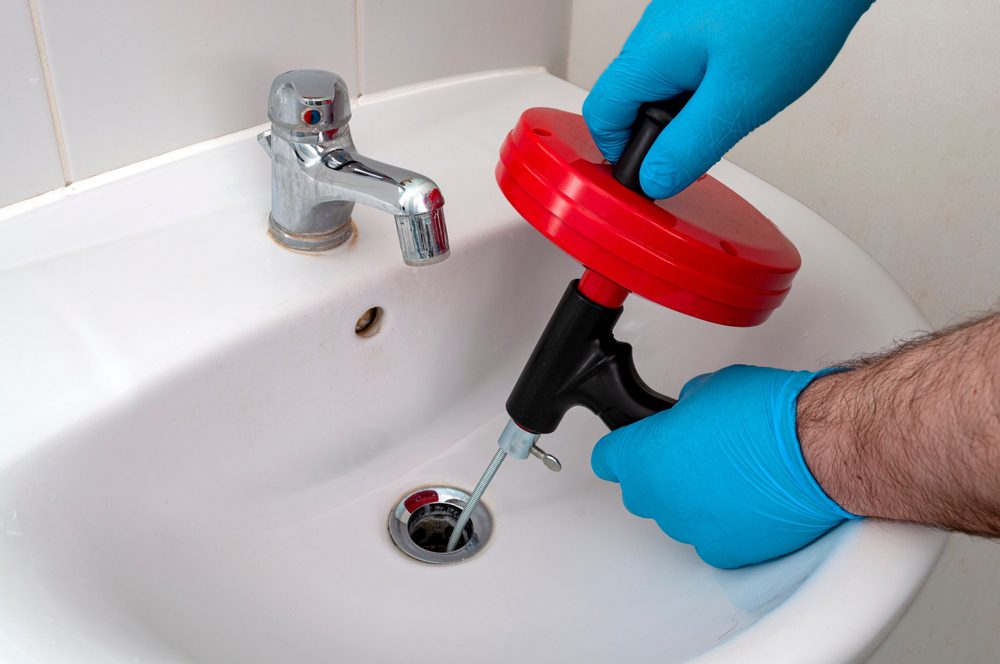
Yes, a drain snake can be effective for clearing hair and small blockages. However, be cautious to avoid scratching or damaging your pipes, especially if you’re dealing with older plumbing.

5. Why doesn’t the baking soda and vinegar method always work?
This method is effective for minor clogs caused by grease or buildup but may not be strong enough for more severe blockages like solid objects or tree roots.

6. What tools should I have for DIY drain clearing?
Essential tools include a plunger, a drain snake, rubber gloves, and possibly a wet/dry vacuum. These items are affordable and can handle most minor clogs.

7. Are there clogs I shouldn’t try to clear on my own?
Yes, avoid tackling clogs caused by tree roots, deep blockages in the main sewer line, or recurring issues. These require specialized equipment and expertise.

8. How can I prevent clogs in the first place?
Prevent clogs by avoiding pouring grease down the drain, using drain covers to catch hair and debris, and scheduling regular maintenance to clear buildup before it becomes an issue.

9. Is hot water effective for unclogging drains?
Hot water can help dissolve grease and flush out minor clogs, especially when combined with other methods like baking soda and vinegar. However, it may not be effective for severe blockages.

10. When should I call a professional instead of attempting DIY?
Call a professional if the clog is deep, you experience recurring drainage issues, or you’re unsure about using certain tools. Professionals can quickly diagnose and resolve the issue without risking damage to your plumbing.

Filed Under: Blog

  • « Previous Page
  • 1
  • 2
  • 3
  • 4
  • 5
  • Next Page »

How can we help you?

Your Name(Required)
Consent(Required)
By submitting your information, you agree to allow Benjamin Franklin Plumbing to contact you via phone, email, or text regarding your project inquiries. Rest assured, your personal information will remain confidential and will not be shared with third parties for marketing or spam. You can opt out whenever you wish. Standard message/data rates may apply. Consent is not a condition of purchase.
Terms and Conditions | Privacy Policy

Our Location

Benjamin Franklin Plumbing

1597 Banks Rd
Margate, FL 33063

Phone: (954) 246-0822

Hours of Operation:

Monday: 24 Hours
Tuesday: 24 Hours
Wednesday: 24 Hours
Thursday: 24 Hours
Friday: 24 Hours
Saturday: 24 Hours
Sunday: 24 Hours

Connect with Us

Facebook Youtube

Our Services

Drain Clearing
Drain Unclogging
Drain Cleaning
Emergency Plumbing
Faucet Installation
Faucet Repair
Garbage Disposals
Garbage Disposal Repair
House Repiping
Hydro-Jetting
Leak Detection
Plumbing Repairs
Sewer Line Repair
Sewer Line Replacement
Shower Installation
Shower Repair
Sump Pumps
Tankless Water Heaters
Toilet Installation
Toilet Repair
Water Filtration
Water Heater Installation
Water Heater Repair
Water Line Repair
Water Line Replacement
Water Softeners
Well Pump Repair

About

Our Company
Contact Us

Copyright © 2026 · Service Minds | Privacy Policy • Terms and Conditions

Book Online
(954) 246-0822